People often ask whether making bond assists or harms a future expungement. The brief solution is that bond and expungement stay in the exact same criminal situation timeline, however they do various jobs. Bond is about leaving wardship and appearing to court. Expungement has to do with cleaning documents after the case finishes. They intersect in position that matter: just how an instance was dealt with, whether you abided by court orders, and what the document says in clerk systems and history data sources. Treat them as different tools that, if used intelligently, can support each other.

Two tracks in the very same case
Bail choices happen promptly, typically within 24 to 72 hours after an apprehension. A court considers trip threat and public safety and security. You could be launched by yourself recognizance, pay a cash money bond, make use of a bail bondsman, or remain captive if the cost is non-bailable or you have holds from various other jurisdictions. That choice is about making sure the situation can proceed.
Expungement happens later on. Each state sets its very own regulations for clearing or sealing records. Some allow expungement just after a dismissal or acquittal. Others allow it after a conviction when you end up probation and wait a defined variety of years. A couple of states make use of "sealing" rather than "expungement," and some just conceal documents from public sight without fully damaging them. Federal documents, immigration records, and particular violent or sex offenses usually sit outside typical expungement schemes.
The throughline is actions and result. Just how you manage your situation while out on bond can shape the last disposition, which disposition regulates expungement qualification. Bond does not produce a right to expungement, but excellent efficiency on bond typically keeps doors open.
What a bond really does
A bond is a warranty. If you are launched, the court anticipates you to appear and follow conditions: no new apprehensions, steer clear of from specific individuals or places, examination clean if ordered, maintain work or school, check in with pretrial solutions. If you utilize an industrial bondsman, you pay a premium that is typically nonrefundable. In lots of states it runs concerning 10 percent of the bond quantity, sometimes reduced for big bonds or co-signed arrangements. The bail bondsman is not component of the prosecution or the court, yet they carry threat. If you miss court, they can seek to surrender you, and the court can surrender the bond.
From the expungement viewpoint, a clean pretrial run helps. Courts remember when an offender makes every appearance and causes no difficulty. District attorneys do as well. That a good reputation can equate right into far better appeal offers, earlier terminations, or diversion programs. Those outcomes matter due to the fact that expungement hinges on them.
The path from bond to result to tape-record clearing
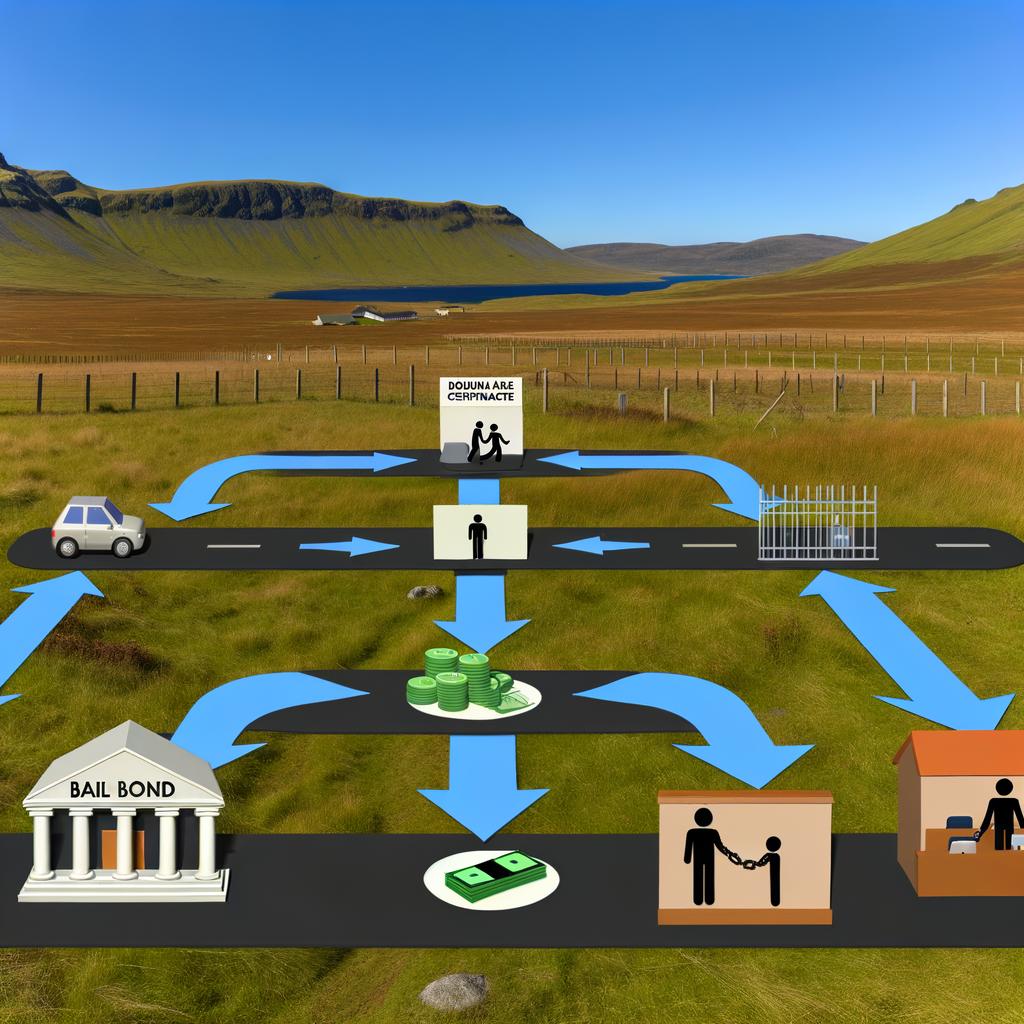
Think concerning the process as a sequence:
- Arrest, booking, preliminary appearance with a bond decision. Pretrial period while out on bond or in custody, consisting of movements and discovery. Resolution: termination, diversion, pardon, or conviction. Post-judgment responsibilities: probation, classes, restitution. Waiting duration and eligibility look for expungement or sealing.
Each stage leaves fingerprints in the document. The apprehension document is created at reservation. The court docket reveals hearings, filings, and bond posts. Disposition entries categorize the resolution. Expungement mainly targets those finger prints, specifically the arrest access and docket recommendations. The far better the resolution, the a lot more full the clean-up can be.
Examples aid. In a theft instance, an offender published a modest bond and entered a pretrial diversion arrangement. She finished a theft-awareness class, paid restitution, and stayed arrest-free for 6 months. The district attorney dismissed the charge. After a legal waiting period of 60 to 180 days, she petitioned to expunge the arrest and the fee. Since she conformed throughout, consisting of while on bond, the court granted expungement with little fuss.
Contrast that with a battery situation where the accused uploaded bond, missed out on two hearings, and picked up a new apprehension while on launch. The prosecutor withdrew a diversion deal. He pled to an offense with twelve month of probation and a stay-away order. He ended up probation but had to wait several years prior to becoming qualified to secure the document, and in his state the underlying apprehension stayed noticeable to certain agencies. Exact same first step, really different outcome.
Bail bonds do not count as sense of guilt or innocence
A recurring misunderstanding is that publishing bond is an admission of wrongdoing, or that paying a bail bondsman will certainly turn up in manner ins which block expungement. It does not function like that. Bond is step-by-step, not substantive. The truth that a bond was set, uploaded, or surrendered does not show the cost. Courts treat bond documents as component of the case data, however expungement statutes ask different questions: Was the case rejected? Was there a sentence? Did you full problems? Are you within the qualified offense checklist? Fulfilling those tests depends upon the personality and conformity, not on just how you financed your release.
Where bond ends up being appropriate is behavior. If you break bond conditions, you can gather brand-new fees like failing to show up, bail leaping, or ridicule. Those are independent offenses. Also if the original charge is later disregarded, the failure to appear may stand and make complex expungement. In some states, a separate failure-to-appear sentence blocks expungement of the original arrest. In others, it simply lengthens the waiting period. This is the silent web link between bonds and expungement that clients ignore: it is not the bond, it is what you do while on bond.
Diversion, delayed adjudication, and how bond performance feeds them
Prosecutors and judges typically problem diversion or postponed adjudication on compliance with pretrial terms. If you get on time, follow curfews, examination clean, and interact, you look like a winner for choices. Diversion programs regularly cause dismissals. Deferred adjudication, utilized in several states, holds back a conviction while you total conditions. After conclusion, the instance https://marcopsqu816.lucialpiazzale.com/bail-bonds-after-an-apprehension-a-timeline-introduction can be dismissed or exchanged a conviction depending on performance.
Why does that issue? Lots of expungement laws make dismissals quickly qualified for expungement or allow securing of delayed situations after a brief waiting duration. A sloppy pretrial record can remove these options. A careful one can unlock them. The bond just gives the room to develop that record outside a jail cell.
Background checks and private databases
Another factor of confusion: people expect an expungement to clean every mention of an instance from the net. Federal government databases generally abide as soon as the court orders expungement, however private background sites and information brokers are stubborn. They commonly scuffed the info at the time of apprehension or accusation and maintain it until they are informed to eliminate it. Numerous states require exclusive screeners to use one of the most current records and to upgrade within a defined period after a customer disputes precision. That procedure can take weeks. Having the expungement order in hand gives you the utilize. Whether you posted a bond does not change your take advantage of, yet hold-ups in your case can imply even more time for those sites to duplicate your arrest data.
When asked just how to reduce digital footprint, I recommend customers to request a licensed copy of the expungement order and send it to significant customer reporting agencies via their dispute networks. Some law office and record-clearing services will certainly do targeted takedowns. It is not immediate, yet most customers see a noticeable enhancement within one to three months.
Money, expenses, and trade-offs
There is a financial reality to bail and expungement. Uploading a money bond lock up money however is refundable if the situation ends without forfeiture, minus charges in some territories. Utilizing a business bail bondsman sets you back a costs you will certainly not return. If you anticipate a quick termination or a likely non-custodial appeal, there can be a reasonable debate to post a cash money bond if you can manage it, specifically on smaller bond quantities under a couple of thousand dollars. On greater bonds, many people pick a bondsman to prevent straining household finances.
Expungement applications lug their very own prices: declaring charges, fingerprinting, qualified mail to firms, and sometimes attorney time. In lots of states, charges range from a few hundred dollars to over a thousand, depending on the variety of cases and whether hearings are called for. Courts might forgo charges for indigent petitioners. The earlier you plan for expungement, the better you can protect records, gather personalities, and conserve for the process.
Clients sometimes ask if spending for a bond before employing a defense lawyer is a blunder. The useful answer is that flexibility aids the defense. You can work, go to conferences, and accumulate evidence. However if funds are limited, speak with advice concerning concerns. In a low-level situation most likely gone to launch on recognizance within a day, it may be smarter to save the bond costs and focus on lawful method. In a case where apprehension might recently, bonding out can avoid work loss and child care turmoil that surge into plea decisions.
State-by-state peculiarities and timing traps
Expungement legislation is federalism at its most granular. Differences that look small on paper can transform end results. A couple of patterns to understand:
- Some states enable expungement of arrests that did not cause charges, typically after a brief waiting period. If you bound out, and the district attorney never ever filed, you might certify quickly. Many states bar expungement of convictions for crimes of physical violence, particular felonies, or offenses including domestic violence. Bond status is unimportant, personality is everything. Deferred judgments can be removed faster than straight convictions, yet a single offense of bond or probation can convert a deferred instance into a conviction that may never be expunged. Waiting periods begin at different times: from arrest date, from termination, or from completion of probation. Missing court can press all dates back, since a warrant stops the clock. Some states set apart between expungement and securing. Employers and property managers may not see sealed instances, however licensing boards and law enforcement typically still can. Know which remedy you are actually getting.
These peculiarities discuss why a next-door neighbor's story about a quick expungement might not relate to your instance, even if the charges audio similar. The initial bond choice stays a step-by-step step, yet your conduct while out on bond interacts with these rules in manner ins which can help or harm your long-term record.
What a bail bondsman can and can refrain from doing for expungement
Bondsmen inhabit a slim lane. They can post surety, screen court days, and occasionally advise you of commitments. They can not provide lawful recommendations regarding expungement timing, eligibility, or begging options. Some may refer you to attorneys or record-clearing solutions. Watch out for assurances that a bond acquisition "consists of expungement." At best, a bail bondsman can offer files that help later, like evidence of bond exoneration after the instance wraps up. Those documents show you met the participation requirement, yet courts seldom require them if the court docket already reflects looks and resolution.
There is one sensible benefit many forget: bondsmen track court dates fanatically to stay clear of forfeit. Their suggestions decrease failings to show up. Less failures suggest less warrants, fewer bond cancellations, and less added fees. That causal sequence can be the distinction between a clean dismissal and a compromised appeal that limits record relief.
Arrest records after a dismissal: do you still require expungement?
Even when an instance is rejected, the apprehension and court entry remain noticeable in lots of public systems till you actively clear them. Companies and property owners commonly stop at the word "arrest," without digging into the disposition. If you adhered out, the general public docket might show "bond posted," "bond pardoned," and the last "dismissed" entry. Without expungement or sealing, those entries can continue for years. That is why numerous defense lawyers treat expungement as the final action in the instance, not as an optional add-on. Termination is a good end result. Eliminating the path is better.
A nuance here: some states automatically seal disregarded situations without an application, commonly called automated document alleviation. Also in those jurisdictions, history screeners may lag, and some courts still need a brief activity to correct stray access. Checking your record three to 6 months after dismissal is a wise habit.
Expungement after conviction: does bonding out still matter?
If your instance finishes in a conviction, whether you adhered out could really feel pointless. It is not completely pointless. Juries take a look at the entire photo when choosing discretionary expungement requests. Laws often require courts to weigh rehabilitation, compliance, and neighborhood ties. Completing bond conditions without case, after that completing probation, then staying arrest-free, paints a systematic story that supports relief. Conversely, a sentence layered with failure-to-appear and bond retractions can make a judge doubtful, also if the law technically enables expungement.
In my documents, the customers who bonded out, maintained steady work, adhered to treatment plans, and completed probation on schedule often tended to protect expungement at the earliest possible qualification day. The legislation established the guardrails, however the narrative carried weight. When a prosecutor items, that story can relocate an optional judge.
Handling the paperwork trail
When going for expungement, hoard paper. Courts lose data. Agencies misfile personalities. The even more you can prove, the smoother the process. Helpful files consist of the arrest report or case number, reserving number, last disposition, proof of finished programs, evidence of restitution repayment, bond exoneration notice, and any order rejecting the case. If your situation entailed multiple matters with different outcomes, make sure the personality covers each matter. An expungement application that omits a matter usually causes a rejection or a demand to change, which includes months.
I encourage customers to request certified copies of the last judgment or order within a week of disposition. Clerks are faster when the file is fresh. Waiting years can imply archived files and longer retrieval times. If you moved states, set up a prepare for notarized signatures and remote hearings if allowed.
Immigration and licensing side notes
If you are not a united state citizen, talk to a migration lawyer before consenting to any plea or diversion. Expungement frequently does not heal migration repercussions, since government immigration choices consider the underlying conduct and initial case records, despite later securing. A bond that allowed you to get in diversion may still leave a footprint that matters to migration. Timing your expungement to coincide with applications for benefits is a critical choice that requires expertise.
For professional licensing, expungement helps but does not assure invisibility. Medical, lawful, monetary, and security-clearance boards commonly ask for any kind of previous apprehensions and dispositions, even if removed. Answering untruthfully can be a lot more harmful than the underlying infraction. That stated, providing an expungement order with evidence of conformity and rehab typically pleases a board's problems, specifically for low-level, non-violent matters.

Common myths sorted out
- Posting bond indicates the instance will certainly be dropped. It does not. Bond changes wardship status, not the district attorney's evidence. Expungement eliminates everything immediately. It does not. Federal government systems upgrade over days to weeks, exclusive data sources take much longer, and some companies keep accessibility also after sealing. If I beg guilty, I can never remove. Occasionally real, frequently false. Numerous states allow expungement of violations and some felonies after waiting durations, supplied you total all terms. Paying a bondsman injures my expungement chances. It does not. Your actions and the last personality matter, not the funding method. If the case is disregarded, there is absolutely nothing to do. There is, particularly if you desire the apprehension gotten rid of from public sight. Submit the request or validate automated alleviation applies.
How to think about strategy
If you are being in a holding cell, strategy feels abstract. Here is a useful frame that has actually served customers well:
Start by getting legal guidance early. A short appointment clears up whether your situation is likely to cause launch on recognizance, a low cash money bond, or a disputed bond hearing. If guidance expects you to be launched on recognizance promptly, it might be reasonable to wait and conserve money for defense or future expungement charges. If detention looks most likely to stretch, bonding out maintains job and domesticity, which can indirectly improve instance results.
Treat pretrial problems like a probation trial run. Do what the order claims, file compliance, and maintain proof. If you get a diversion offer, consider it against long-lasting ramifications: some diversions require admissions that affect immigration or licensing, while others lead to tidy terminations with exceptional expungement prospects.
Think ahead to the document. Ask your lawyer whether your anticipated result is expungeable or sealable, and when. Mark that day on a calendar. If your state needs a waiting duration, established reminders six months before to gather documents.
Finally, do not overlook small step-by-step missteps like a missed court date. Repair them promptly. A fast surrender and rescheduled hearing can protect against a failure-to-appear charge that would certainly otherwise haunt an expungement petition later.
The short answer to the lengthy question
Bail bonds and expungement are associated only in the manner in which all components of an instance belong. One is about where you wait while the system determines your case. The various other is about what the public can see after the system has decided. The bridge between them is conduct and end result. Excellent conduct on bond often generates far better end results, and much better end results produce more powerful expungement legal rights. Poor conduct does the opposite.
If you maintain that chain in mind, the choices you make on day two of an instance can safeguard your choices on day seven hundred, when you are ready to reconstruct your on the internet impact and pass a background check. Freedom during the instance is important. A tidy record later is transformative. With mindful handling, you can have both.
ABBA Bail Bonds 900 Avila St STE 101 Los Angeles, CA 90012 (213) 296-0901 https://abbabailbonds.com